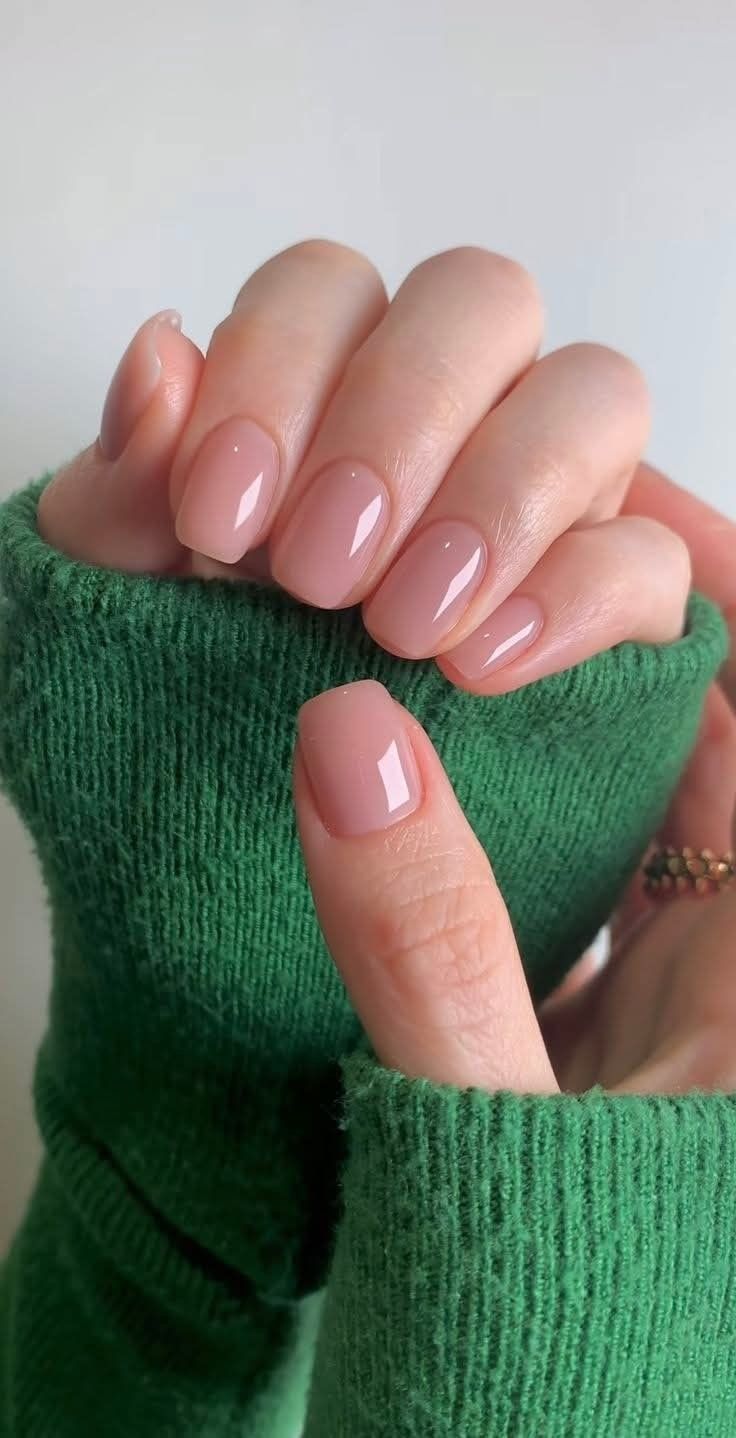
Trying to figure out the most durable nail shape for my natural nails. Almond looks gorgeous but mine snap by day five. Oval has been holding up okay, but I’m wondering if square or squoval might actually last longer.
What shape lasts longest for you? I’ve heard good things about daily cuticle oil, probably my next hope.
33 Likes
Squoval lasts longest on me. You keep the strength of the sidewalls without the sharp square corners snagging on clothes. A full square is sturdy, but once a corner chips, it usually turns into a bigger split. Almond takes a lot off the sides, so if your nails are thin or flat… they tend to snap by day five.
Since oval is already holding up for you, I’d go short squoval instead of a big change. Keep the sidewalls pretty straight and just soften the corners. If you round them too much, you’re basically back at oval. Don’t saw into the sides when filing, that’s where a lot of my breaks used to start.
1 Like
Square is technically the strongest since you keep the full width, but the corners catch on everything.
I’ve peeled so many square nails at the corner just pulling on jeans. Rounding them slightly fixes that without losing much strength, which is probably why oval is treating you better than almond did. Squoval keeps a bit more width so there’s less flex.
Also check your length. If the free edge is longer than roughly the pink part of the nail, everything is going to feel fragile no matter how you file it. Mine broke constantly until I accepted I’m a short-to-medium nail person. Took a while to get over that.
If durability is the goal, squoval wins for most of my natural nail clients. I’d put it slightly ahead of pure square. A caught corner is how you end up with a tear that runs down into the nail bed. Squoval keeps the width and softens the corners enough that they don’t snag.
Short round is the toughest of the lot if you can live with the look. Squoval is the compromise between looking decent and surviving the week.
I used to file back and forth right at the sidewall trying to get a clean, straight line, and that’s where all my breaks started. A little bit of fraying at the edge, then a split a day or two later. Once I switched to filing in one direction and stopping short of the corner, the sidewalls held up.
How long did it take you to accept being a short-to-medium nail person? Did you cut them all down at once or just let them break back gradually? I think I’d cave the second they started looking good long again.
This is exactly how I lost a nail last winter. The square corner caught on my wool coat pocket and the tear ran sideways down toward the sidewall instead of chipping clean. Had to file the whole hand down to nubs to match. Since I switched to keeping the width but knocking the corners off, I haven’t had one run into the bed.
I file mine so there’s still a flat edge across the top but no point you could catch a thumbnail under. Round it too much and you lose the sidewall support that makes it stronger than oval to begin with.
Edit: forgot to say I agree short round is the real tank. I just can’t get past how stubby it makes my fingers look.
6 Likes
The sideways tear into the sidewall is exactly the kind of break I get with almond, so it makes sense a sharp square corner would do the same thing.
Knocking the corners off but keeping the flat edge sounds like the middle ground I’ve been after. Going to try it on the hand that’s already grown out a bit. Yeah, short round is the safest bet.
Oval, hands down. Funny thing is, I spent years filing square because I convinced myself the flat edge had to be stronger. They would tear at the corners every single time. Every time.
When I finally caved and tried oval, it just worked better. Sometimes you resist stuff for no good reason.
Filing with polish on has cut down my breakage a lot. I think it helps me see the shape better, though I’m not sure why. I’ve been doing it for a while and it makes a difference.
Round and oval shapes are supposed to resist chips better, but the filing method mattered more to me than the shape.
My corners and sidewalls used to split constantly when I was trying to make square work. Turns out my eczema ridges do better with a gentle arch (somewhere between oval and almond). The curve keeps everything from splitting apart.
Run your finger along the edge of your freshly shaped nail to check it. Roughness or catching means you’ve got a snag coming.
A smooth edge keeps the nail from splitting in a few days. File in one direction and finish with a gentle buff to get that silky finish.
Squoval. That’s the shape I recommend most for durability. The straight edge across the top reinforces the nail structure, and the rounded corners prevent those snag points that usually cause breaks.
Oval and round hold up okay too, but if longevity is the goal, squoval wins.
Oval or round, every time. If someone’s a picker, corners are just little snags waiting to happen, something for the nail to catch on and start fraying. So I steer them away from those. They wear better day to day too.
Breaks at the tip? Go shorter, that’s the fix. Side breaks are different though, so stop tapering there. If they’re snagging, smooth the underside too, not just the top.
Almonds break on me constantly. I’ve started filing them down before they hit that breaking point length, because it’s the only thing that works.
Anyone else notice their nails just have a ‘limit’ where they start snapping no matter what you do?
2 Likes
Three breaks a year now, on average.
The eczema thing gives me these deep ridges, so I landed on an oval-almond hybrid because the arch keeps them from splitting straight down the middle. Wider nails, my thumbs especially, lean more oval, and the narrow ones I take full almond. Square and squoval were a total disaster for my corners and sidewalls.
One thing I always tell clients is to file in one direction only. Sawing back and forth weakens the layers and causes peeling.
Also, swap your metal files for glass or a fine-grit 240. Length matters way more than shape, so keep them just past the fingertip until you build up strength.
I’d try a thin strengthening layer before giving up on the shape you like.
Something like a ridge-filling base coat or a sheer nail strengthener can help the free edge flex less without going full acrylic/gel. Also, cap the free edge with base or top coat if you polish them; it’s a tiny thing, but it really helps prevent water getting between layers and starting splits.
I’d check where the break actually starts. If it’s cracking at the sidewall, the almond might be pulling too much support away too early. Keep the sides straighter until the tip, then soften the end.