Okay quick question. Can you use regular nail polish under a gel top coat and actually make it last?
My regular mani chips within like 48 hours, and I heard the trick is making sure the polish is bone dry first. Does putting a regular quick-dry top coat underneath the gel help speed that up, or does it just ruin the whole thing?
You can, but bone dry really does mean fully dry, not just dry to the touch. I wait until the next day before applying the gel top coat. A quick-dry top coat underneath can trap solvents, which has made mine wrinkle or lift sooner rather than helping.
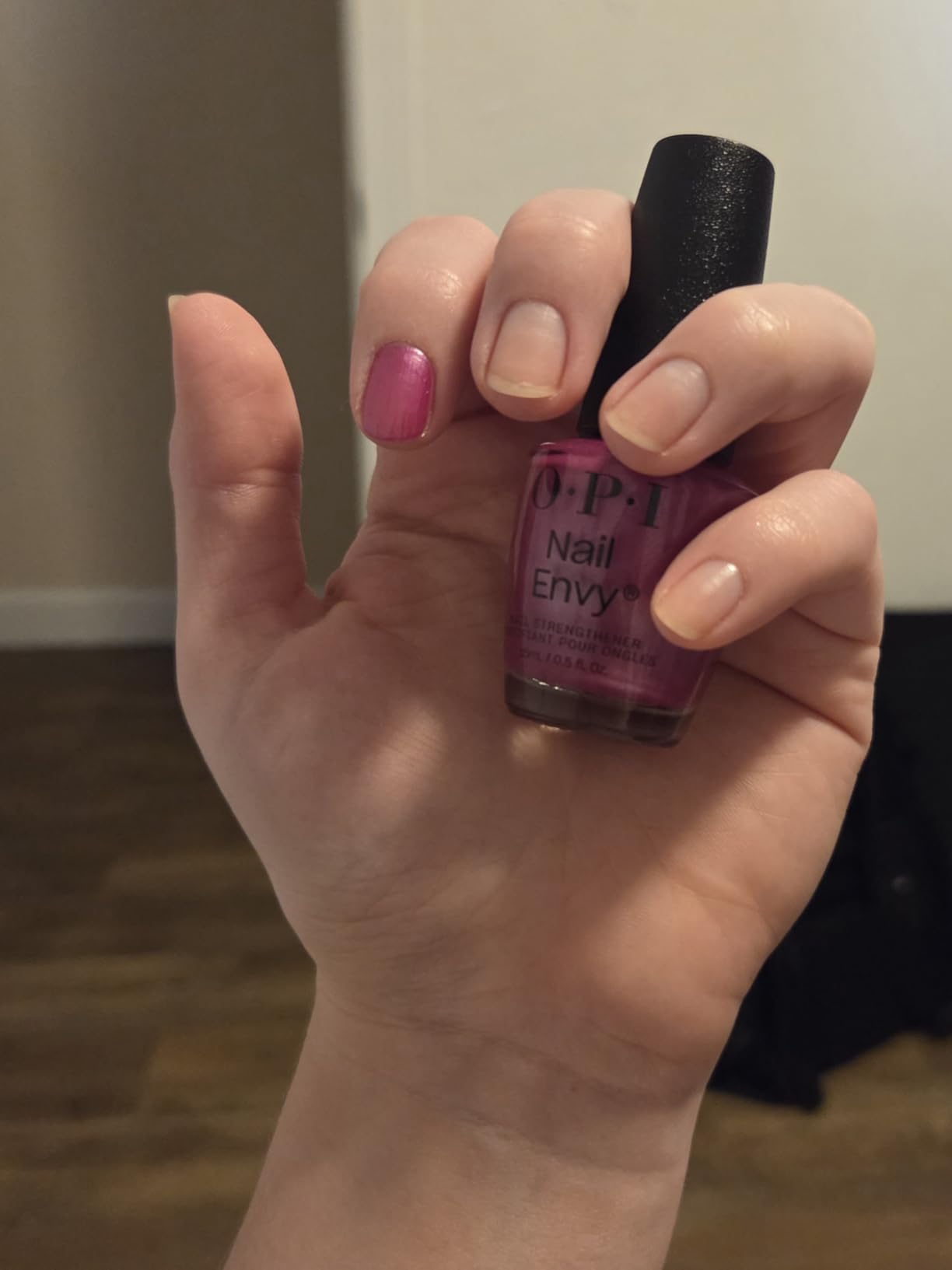
I use OPI Nail Envy as the base under regular color instead. It doesn’t speed up drying, but it gives my thin, peeling nails a firmer base and helps prevent the polish from chipping when the nail flexes. Then I apply a thin gel top coat the next day and cap the free edge. Nail Envy is best for flexible or damaged nails, though the strengthening is gradual rather than an overnight change.
A regular quick-dry top coat under a true UV/LED gel top coat can trap solvents and cause wrinkling, lifting, or peeling. Dry means dry so completely cured through, ideally overnight or even 24 hours-not merely dry to the touch. Keep the gel off your skin and cure it exactly as directed.
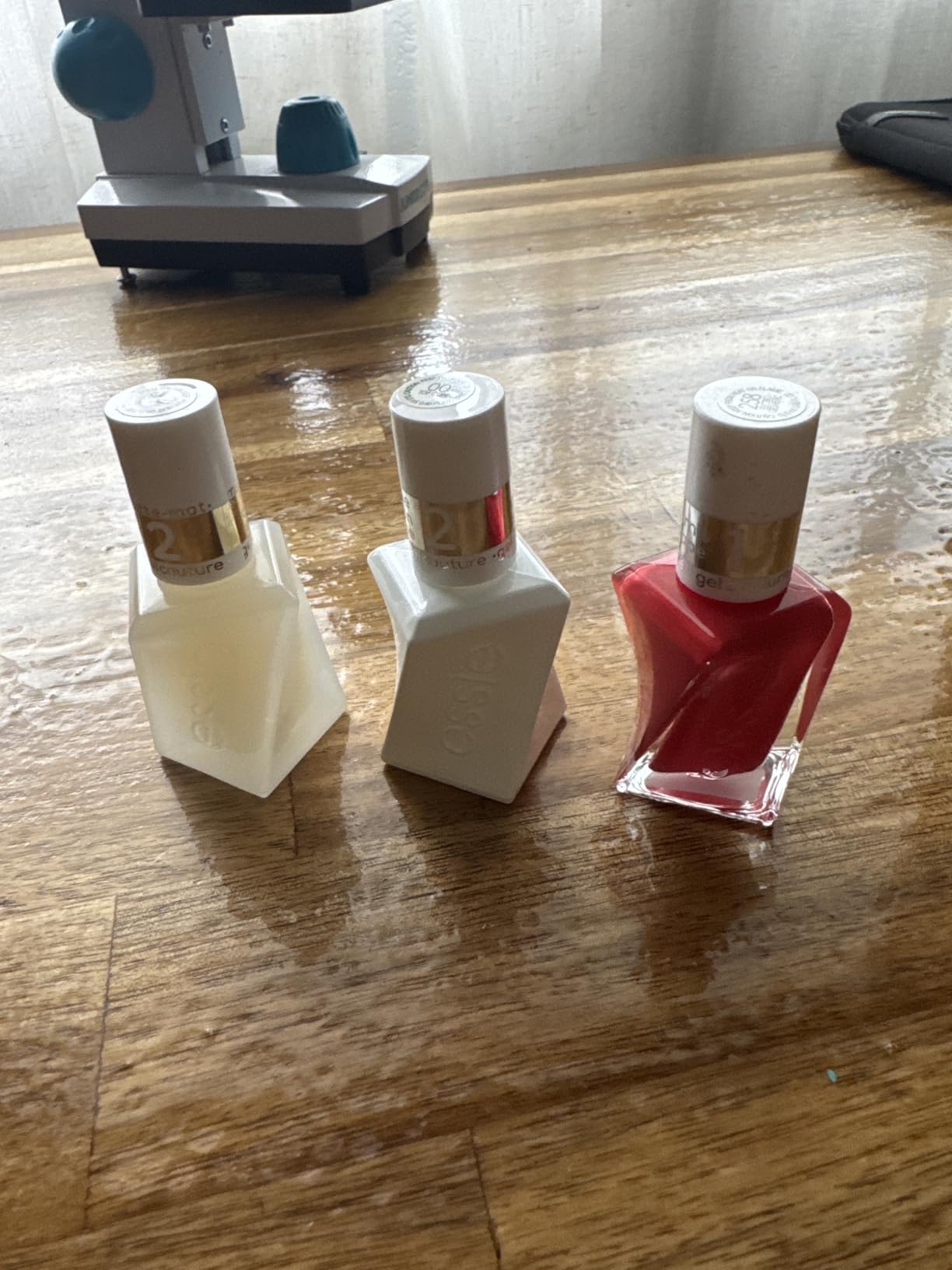
I’d use the Essie Gel Couture top coat instead. It’s an air-dry top coat, not lamp-cured gel, but it gives regular nail polish a glossy, gel-like finish and adds good chip protection without the compatibility issue. One thin coat over dry color is enough, and you can refresh it after a few days.
Yes, this works. It’s what I do for most of my manis now, mostly because I’m too lazy to build a gel color collection and I have like a hundred regular polishes sitting there.
The drying time really helps if you take it seriously. People don’t take it seriously enough. Bone dry means the solvents are gone allll the way through, even under the surface. Cure gel over polish that’s still soft underneath and you get wrinkling under the lamp. Or worse, it feels fine for three days and then the whole thing pops off in one sheet because the polish never really bonded to anything.
My rule is two thin coats of color, then leave it alone overnight at minimum. Thick cremes or dark colors get a full day. I paint at night and do the gel top coat the next evening. The wait gets me two weeks instead of two days.
I’d skip the quick-dry top coat in the middle entirely. It hardens the surface fast, but you’re putting another flexible air-dry layer between the color and a much stiffer gel top coat, and (in my experience) that sandwich tends to crack or separate sooner rather than later.
And quick-dry drops are worse, since any oil left on the nail messes with the gel. Gel top coat won’t fix bad adhesion at the natural nail, which is where those 48-hour chips usually start. Get the cuticle fully off the nail plate and wipe the oil off before base coat. Keep every layer off the skin.
I leave a tiny margin around the color so the gel top coat can overlap it a bit and grab onto the base around the edges (still not touching skin), and I cap the free edge if my nails are long enough that week. Use the lamp recommended for that specific gel top coat, rather than assuming whatever you have will cure it. Don’t pick the finished mani off. The color underneath is regular polish, but the cured gel on top still needs to be removed. File off the shine and soak as directed, then push off whatever has softened.
If all I wanted was a little extra wear without the whole curing and removal process, I’d try a good air-dry gel-effect top coat first. It usually plays nicer with regular polish.
It works, but the removal part is the piece people skip over until you’re sitting there at midnight with a nail file. The gel layer won’t come off with a plain acetone soak as regular polish does. You have to file through the top coat first so the acetone can reach the polish underneath. A coarse file makes it easy, but if you’re used to a two-minute cotton pad swipe, it’s a different routine so like 15-20 minutes.
Some polishes smear into the gel top coat when you brush it on, even when they’re fully dry. Deep reds are the worst, some pinks too. The pigment lifts and you get streaks. Floating the gel on with a light touch helps, and don’t go back over it. Shimmers and most cremes are fine. Heavy glitter is fine too, though it takes way longer to dry underneath than you’d expect.
The bond between air-dry polish and the natural nail is still the weak point, and the gel only does so much about that, not two weeks like real gel.
Regular clear top coat first, that’s what works for me. Thin layer, let it dry overnight, then the gel top coat over it. It gives the pigment a barrier so the gel brush doesn’t drag it around.
Happens with really pigmented blues too. A super light floating coat helps some, and I still do that on lighter shades. But with the deep saturated stuff, the barrier layer has been way more reliable.
Okay that makes sense. Especially with the shade I’m eyeing, which is a really dark blue, so it’ll stain for sure if I skip a step. Quick question though… quick-dry top coat for the barrier layer, or just a regular clear?
I used to pick the quick-dry one for this, because I figured if the barrier layer dries faster I get to the gel sooner. Changed my mind after two manis wrinkled under the lamp. Those quick-dry formulas skin over on top and stay soft underneath, so all I did was add another layer of trapped solvent to the stack. The dark blue underneath was the slowest to give it up anyway.
Now I use a plain regular clear top coat for the barrier, one thin layer, and let it sit overnight with the color. It seals the pigment just as well and dries all the way through instead of just at the surface. The whole point of the barrier is to keep the gel brush from dragging the blue around, and a basic clear does that fine.
If you’re worried about the wait, paint the color and the clear the same night in thin coats, then do the gel the following evening.
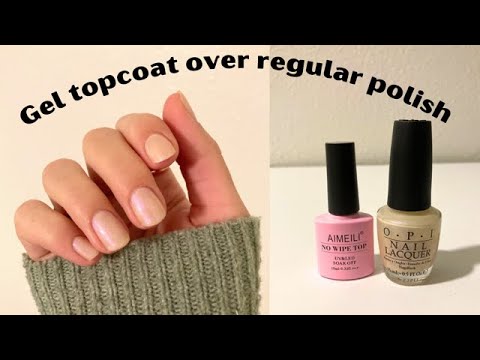
No-wipe gel top coat. That’s the key detail here. Regular gel top coats can get tacky and weird over normal polish, but the no-wipe version cures clean and holds up well.
Sandwiching is great if you like switching up colors. Clear gel layer, then regular polish on top, that’s my whole routine when I know I’ll want something different in a few days.
Makes changing shades so much easier.
The sandwich method gets me about a week. Pretty solid since my full gel manis only last maybe ten days before the cuticle gap starts looking rough anyway.
If you need it to last more than a week, skip regular polish entirely and go full gel.
I do my own gel sets at home. I’m a dog groomer, and nothing else survives my job. I tried the regular-polish-with-gel-top-coat thing and it just didn’t work out. The finish wasn’t quite right, and it started lifting way sooner than my all-gel manis ever do (which was the whole reason I bothered trying it in the first place).