Trying to figure out how to dehydrate nails without buying a dehydrator if I can avoid it. I just started with polygel and the prep steps seem endless. I always thought a base coat was enough. Now it’s a dehydrator and primer plus all these base coats?
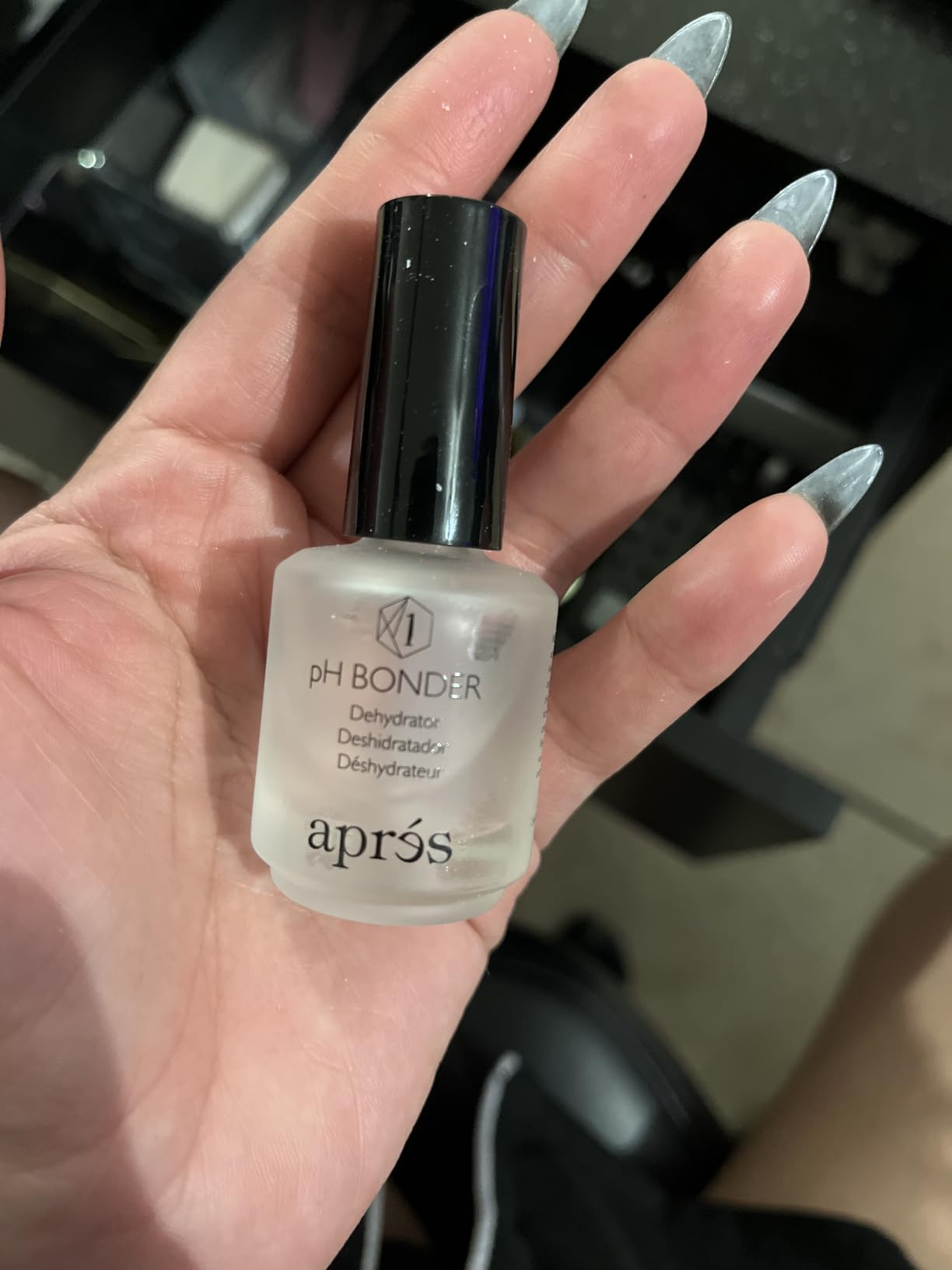
It’s not a machine, it’s just a little bottle of liquid you brush on. I think the word throws a lot of people because it sounds like an appliance. It’s really just a quick-drying prep that pulls the surface moisture and oil off the nail plate so your base grabs properly.
One thin coat over the whole plate after buffing and dusting, and it flashes off in a few seconds. You can actually see the nail go from slightly shiny to a flat, chalky matte, which is how you know it worked. The 15ml bottle has lasted me months because you’re using barely a drop per hand. Such a difference to cuticles and sidewalls, where I used to get lifting in the first week; now I’m getting three weeks plus out of a set.
If your natural nails run oily or you have sweaty hands, this is the piece that’s been missing rather than another base coat. I’d still use primer after it if your polygel system calls for one, but dehydrator first, then primer, then base.
2 Likes
A dehydrator is mostly marketing.
Check the ingredients on any bottle and you’ll see isopropyl alcohol or acetone, sometimes with a little ethyl acetate mixed in. A bottle of 91% or 99% rubbing alcohol from the drugstore does the exact same thing for a couple of dollars.
That’s why dehydrators like the one above usually add more to it so there’s at least something to it.
Pure acetone works too, but it’s harsher on the skin around the nail. Wipe the plate with a lint-free pad and let it dry. The prep around that step is more important than the alcohol itself. Push the cuticle back and buff the shine off. Clear the dust, then do the alcohol wipe.
After that, keep your fingers off the nail plate. Skin oil undoes the whole thing in about a second, and that’s usually why people get lifting even when they did everything else right. Primer does a different job. Dehydrator pulls moisture and oil off. Primer changes the surface so the polygel can grab on. You can get away without a dehydrator if you’re careful, but I wouldn’t skip primer with polygel.
You don’t really need a stack of base coats either. A regular nail polish base coat does nothing useful under polygel. Most kits want either a thin layer of gel base or a thin slip layer of the polygel itself, cured, before you build. Pick one.
In practice, it’s prep, alcohol, primer, thin layer, build. That’s your dehydrator.
7 Likes
Just follow the instructions for whatever polygel you’re using instead of piling on random prep products.
You don’t need every bottle from the tutorials. Dehydrator and primer do different jobs. The dehydrator pulls surface moisture off the nail for a while, primer helps the product stick, and the base coat is the layer the polygel is designed to grab onto. Some brands combine one of those into another product, which is where a lot of the confusion comes from.
Switching to a dry manicure might also just help. Don’t soak your nails or do dishes right before you apply. Natural nails soak up water and shrink back as they dry, and that causes lifting. I wait at least an hour after any long water exposure (just like remembering not to swim after you eat).
If your brand says primer is optional, test it. Do one nail without and compare how it wears. Don’t skip base coat if it’s required though. Piling on extra prep or layers that don’t work together causes lifting too. Took me a while to figure that one out.
1 Like
Buy nothing yet. Do two or three sets with what you already have plus rubbing alcohol, and see how that looks.
You were already doing most of this prep when you were ‘just’ using base coat; you weren’t thinking of it as separate steps. Base coat felt like enough with regular gel because gel polish is thin and light, so it forgives an imperfect surface. Polygel is heavy and thick, so it sits up off the nail like a little building. Typing and opening soda cans pry it loose, so the adhesion has to be a lot better than you’d normally bother with.
On primer, if you do end up needing one: acid-free. The methacrylic acid ones are meant for acrylic. They sting if you have any little nicks around the cuticle and they’re overkill for polygel unless your nail beds are very oily. Acid-free goes on sticky and doesn’t need to dry all the way. You can put it just on the cuticle third where lifting starts instead of coating the whole nail.
1 Like
A dehydrator can help in the right situations, but it won’t save a set that’s failing structurally. This won’t replace a good nail care routine, which you should be doing no matter what bottle you buy!
You’re not trying to dry the nail all the way through, so skip the heat and don’t file hard. Just wipe until the nail is clean and stop. It’s only a quick surface prep step. Overdoing it thins out the nail plate and irritates it without adding any wear time. Try a wear test instead. If the polygel instructions say the dehydrator is optional, prep a couple of nails without it and see how it goes.
1 Like
Learned that the hard way after buying a dehydrator to fix lifting that was really just too-thick apex placement.
I do prefer the dry manicure. I stopped doing dishes the morning of and lifting basically went away.
Dry manicure. Try it.
I count long showers too, not just soaking or doing dishes. The don’t swim after eating thing is mostly a myth though. Water swelling the nail plate is real. If you’ve ever done a wet mani and watched it lift a week later, you’ve seen it.
Less primer is better.
Spot-priming the cuticle third is a good point. That’s where my lifting starts, and using acid-free primer only there worked way better than flooding the whole nail like I used to.
Keep it off the skin and go light. One almost-dry brush pass. That gives you the tacky layer you described without a thick slippery film sitting under the base coat, which is its own nightmare.
I did the whole routine, alcohol wipe and all, then tucked my hair behind my ear with the finger I’d just prepped. Lifted in four days. My hair stuck to that nail better than the polygel did. Annoying.
On the rubbing alcohol, grab the 91 or the 99. The 70 is almost a third water, so you’re basically wiping the nail with a boozy puddle and then waiting for it to evaporate.
When you let it dry, actually let it dry. Don’t blow on your fingers to speed it up; your breath is a tiny humidifier and you’re just putting the moisture right back.
4 Likes
I think the problem is (mostly) me.
I’ve been laying polygel way too thick near the cuticle and then blaming the product or the lamp instead of my own hands. So before I spend money on another bottle, I’m going to thin out my apex and do a more careful buff and alcohol wipe. Half of nail prep is just figuring out which step is actually messing you up.
(Still not convinced my slip solution isn’t part of it, but that’s a different rabbit hole.)
Overproof liquor works as a dehydrator. Handy if you can’t find rubbing alcohol or acetone anywhere (both still sold out near me, weeks later).
Soap and water. That’s it, that’s my whole prep routine before a mani. My nails run dry and peely as it is, so stripping them further seems pointless.
Polish lasts all week, no peeling off in chunks or sheets. I figure my nail beds just aren’t that oily to begin with.
The base and top coat combo matters way more than any of the dehydrating stuff.
I stopped obsessing over prep and started paying attention to what I was actually layering on top. Switching up my Essie routine did more for me than any amount of dehydrator ever did. Still chip eventually, of course.
You probably already own a dehydrator. It’s polish remover.
I use it twice, once to take off the old color, then again right before I paint, after I’ve finished whatever filing or pushing back I’m doing. Just a quick wipe over each nail. Nothing fancy.
Acetone is overkill. 99% alcohol dehydrates just fine without being so harsh, and it costs way less than a dedicated dehydrator.
70% works too, but that’s almost a third water, which kind of defeats the point. Everyone’s nails are different though (oily nail beds especially), so just test it and see what holds.
Acetone wipe. That’s it, that’s my whole dehydration step.
No primer or dehydrator, just the same acetone bottle I already keep around for removing polish. Then straight into base coat. It holds fine for me, though I know some people swear you need the whole lineup of products.
I’ve been wondering if alcohol actually works as a dehydrator or if I just got lucky. I saw some YouTube videos using it after filing and figured I’d try that instead of buying a separate product.
My pedicure has been holding almost three weeks now with just base coat under builder gel. Nothing fancy on my end though. Natural nail, builder gel for strength, no primer.
Just use plain acetone. The remover stuff has moisturizers and oils added in, and that residue sits on the nail and messes with adhesion.
Learned that one the annoying way.